
 Get Started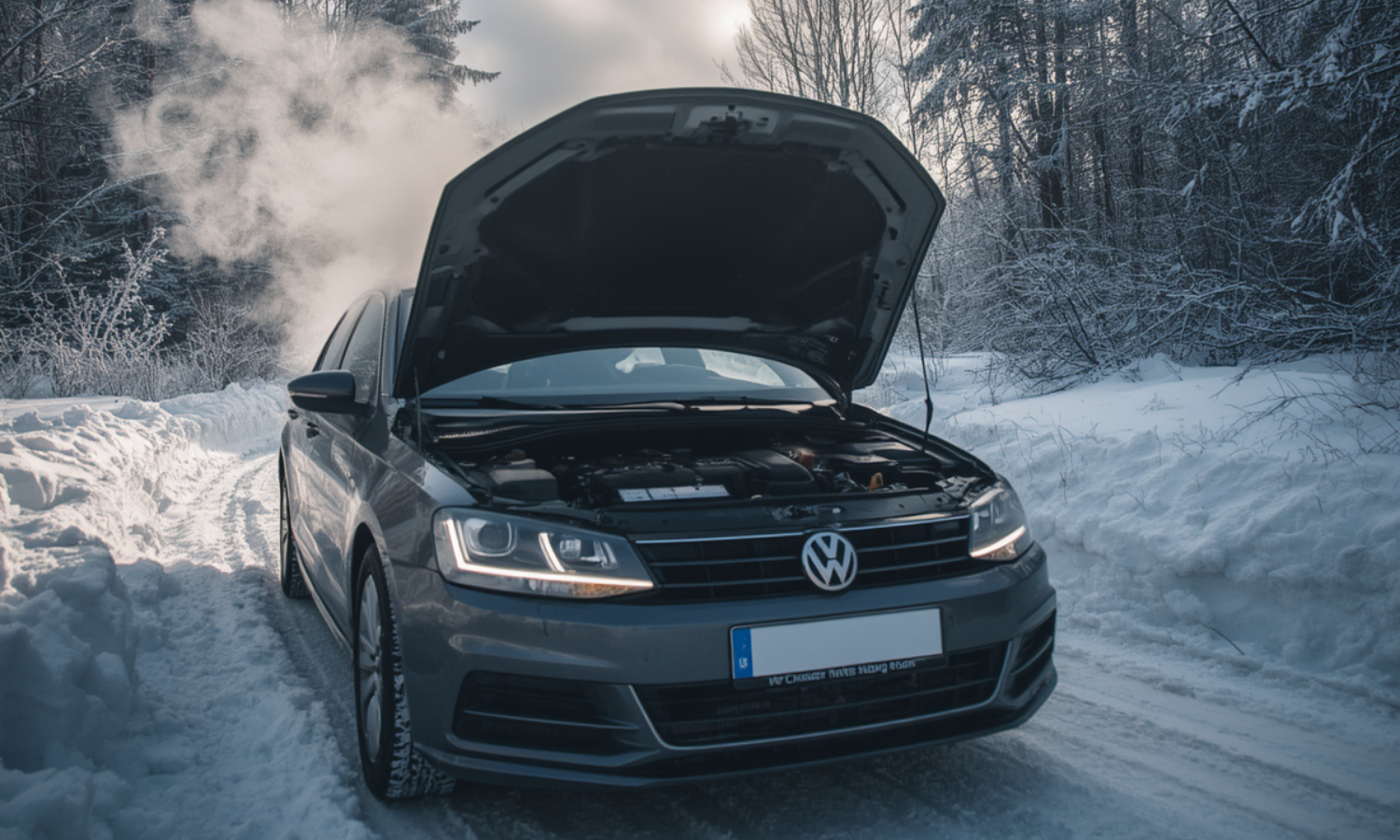
Calgary’s driving conditions this winter have never been more perilous, with Alberta registering 20 deadly collisions in December 2025, double from just 9 deaths a year earlier—in December 2024. The minutes you spend deciding what to do after your car breaks down in sub-zero temperatures can make the difference between a mere annoyance and a potentially life-threatening emergency.
This all-inclusive guide may prepare you for exactly what to do when your vehicle lets you down on Calgary’s winter roads. Whether you find yourself stranded on Deerfoot Trail in the midst of a chinook reversal, or stuck in your suburban parking lot post-snowstorm, you’ll know how to protect yourself and get immediate assistance.
Quick Take: Alberta had even more trouble with fatal collisions in December 2025 than the year before, more than doubling that previous record when 20 crashes claimed a life here. Make sure to exercise the important steps of getting to safety within 3 minutes, calling roadside assistance experts, and avoiding common mistakes that could threaten drivers with this guide.
Why Winter Breakdowns Are Extra Dangerous in Calgary
From January—February 2026, Alberta RCMP told CBC News that there were 23 fatal collisions in RCMP-policed areas which resulted in 26 deaths; more than 70 per cent of these were attributed to poor weather and road conditions (CBC News, 2026). These aren’t just collision numbers—they’re a cold reminder of how quickly a breakdown or slide out can turn deadly when plunging mercury and waning daylight create the perfect storm.
Winters in Calgary, however, offer challenges that increase the danger of winter breakdowns. Annual snowfall in the city averages 129 cm from around 54 days, but the greater threat is temperature fluctuation. March 2026 threw Calgary a “major curve” in the form of 10-20 cm of snow and overnight lows of -20°C topped with a “significant shift” back to what many would consider winter (National Post, 2026). One day, you’re fighting with slushy roads, the next, firm yet slippery black ice has made each intersection a crash site.
The risk of being stranded is even worse. In contrast, the wait for help in an incapacitated car within a Calgary winter is not merely an inconvenience but exposure to potentially frostbiting -10°C temperatures in a matter of moments, not hours as in that breakdown on a summer highway. Your vehicle has a heater that can keep you warm—as long as your engine is running and you have gas. With a -15°C wind chill off the Bow River, it feels more like -25°C and you can begin hypothermia before you would expect it, even if you are dressed for the weather.
Calgary’s roadway system—high-speed corridors such as Deerfoot Trail, Stoney Trail, and the crossings of the Bow River—in particular, means that a vehicle come to a stop on a travel lane becomes an instant hazard. Other drivers may not see you in low visibility, and those who do may not have time to safely change lanes.
Step 1: Get to Safety ASAP
When the car starts failing on a sneaky Calgary road at a terrible time, the first thing you do is make yourself safe. Safety experts talk about the “3-minute rule”, which holds that you have about three minutes to get out of your car and to some safety before your incapacitated automobile turns into a death trap.
So when it comes to driving on the big Calgary arteries—like Deerfoot Trail, Memorial Drive, or Crowchild Trail—the shoulder is your first stop. If the car is still drivable, albeit at low speed, move it as far onto the shoulder as possible. This is non-negotiable: turn on your hazard lights immediately. With low visibility due to snow or fog, drivers in Calgary during the winter months may not even see you until they are several feet away from your vehicle.
In the situation where a car cannot move and is in a live traffic lane, you have a tougher option on your hands. DO NOT STAY IN YOUR CAR if there is a chance that your car could be hit. Your life is worth more than your vehicle. Getting away from traffic, you want to get out the passenger side and move toward the nearest safe area, which would be somewhere behind a barrier, up the hill that is along the road, or as far away from the road as possible.
The risks posed on suburban streets and in residential neighborhoods are different but also grave. Get to the nearest sidewalk or front yard. If you are in neighborhoods like Auburn Bay, Sage Hill, or Coventry, while you may have better options in terms of safe waiting areas, the time crunch posed by the winter conditions is equally valid.
Immediate Action Checklist
- Put the hazard lights on first of all.
- Get out of the car into a traffic-free area, safely.
- Proceed to the nearest protective area (behind a wall, up an embankment, or to a sidewalk).
- Call for help from your safe stance, not from inside the vehicle.
Our Takeaway: Customers who get out of their vehicle right away and call from a safe distance fare vastly better than those that try to “stick it out” in the car (especially on multi-lane artery roads).
Step 2: The SOS Roadside Call to a Professional Service
After securing your position, calling professionals is the next essential thing when you are in a safe location. However, not all roadside assistance is the same, and knowing your options can save minutes—and potentially your life—during a Calgary winter emergency.
Data from CAA indicates that wait times for light service average between 23-186 minutes depending on region and demand (CAA, 2025). Tow service averages 39-220 minutes. However, in Calgary during times of heavy snow or extreme cold snaps, these wait times can be up to twice as long. Those are a lot of hours spent in -20°C temps—a situation that can deteriorate rapidly.
A local Calgary towing company could even be better than just a national roadside assistance program, especially if you are not a member or if you happen to need someone right away and demand in your area is heavy. They know Calgary’s road network like the back of their hand—the stickiest merge points on Deerfoot, the ice-prone stretches of Crowchild, and the wind tunnels by the Bow. Dispatchers are often able to give your nearest available truck a faster route to you than a call centre in another province.
Information to Provide When Calling
- Precise location: Actual street address, closest intersection, or landmark. On Deerfoot Trail, use the nearest mile marker or the exit. For residential locations, include the nearest address or intersection.
- Vehicle info: Color, make, model, and plate if visible.
- Problem: Engine not starting, flat tire, battery failure, stuck in snow, etc.
- Number of persons in vehicle: Required for report purposes and to maintain safety logs.
- Any hazards: Is the car in the lane of travel? Is there visible damage? Are there any leaks?
Step 3: Stay Safe While You Wait
You’ve called for help. The tough part comes now: waiting. Waiting can be a matter of life and death in Calgary’s winter.
Running your vehicle for heat makes sense to get warmth, but it could also be deadly. NEVER run your engine in a very closed place, like a garage—this builds violent, poisonous carbon monoxide that can kill you in minutes, even if the garage door is left open. Even outdoors, running your engine increases the risk of carbon monoxide poisoning if snow builds around your exhaust pipe, creating an invisible pocket of exhaust gas. Be sure to keep your tailpipe clear of snow and open a window a smidge for ventilation.
Layer your clothing even if you are staying in the car. That wind chill Calgary gets can be unforgiving. You could break down even with the heater running after hours. Dress inside the car in your winter coat, gloves, and hat. Use any blankets or sleeping bags. We suggest storing an emergency winter kit in every car (more on that below).
When to Call 911 vs. Roadside Assistance
Call 911 if:
- Someone needs help or is in trouble
- You are in a dangerous situation (middle of a lane, barely missing traffic)
- You can’t keep warm (heater goes down, out of fuel)
- A stranger approaches and you feel unsafe
- There’s a fire or smoke
Note: The typical dead battery, flat tire, running out of gas, or a mechanical breakdown without injuries and the immediate risk of danger is fine for standard roadside assistance.
Watch Out for Strangers Offering Help
The reality is that for many, there is a genuine desire to help. But a vehicle breakdown presents an opportunity for predators to prey on vulnerable drivers. Stay in the vehicle if you don’t feel safe, leave your doors locked, and only roll down the window a few inches to talk. Instead of walking up to anyone that may stop to help, ask them to call emergency services for you from their own vehicle.
Step 4: Heavy-Duty Towing Considerations
Standard passenger car tools won’t do for all breakdowns. Crossing paths with commercial vehicles and delivery trucks as well as heavy utility vehicles, heavy-duty towing is occasionally needed in Calgary.
As municipalities in the Calgary area implement their own spring weight restrictions, the city of Calgary restricts access to certain bridges and overpasses depending on the load of heavy vehicles. Standard tow trucks are not designed to safely transport vehicles as large as box trucks, delivery vans, and utility vehicles.
Heavy-Duty Divisions Typically Handle:
- Box trucks and delivery vans
- Utility vehicles and construction equipment
- Buses (transit and charter)
- Commercial trailers
- Vehicles with trailer packages
Winter Survival Gear Every Calgary Car Should Have
Every Calgary driver should have an emergency winter kit in their vehicle. This is what you should have in yours:
Must-Have Items
- Cold weather outerwear: Keep a heavy winter coat in the car cabin, not packed in the trunk where there might be no access.
- Wool or synthetic base layers
- Insulated gloves and waterproof boots
- Warm hat and neck gaiter
- Emergency blankets: Lightweight, very warm mylar “space” blankets.
- Hand warmers (single-use chemical warmers)
- Flashlight with extra batteries
- Portable battery or car charger (cell phone charger)
- Non-perishable snacks (granola bars, nuts)
- Water (carry inside the cabin so it does not freeze in the trunk)
- Compact snow brush and ice scraper
- Traction aids: Sand, kitty litter, or traction mats.
Recommended Additions
- First aid kit
- Basic tool kit
- Jumper cables
- Tire repair kit
- Reflective triangles or road flares
- Whistle (for attracting attention)
- Handheld GPS or compass
- Copies of insurance and registration
Storage Tip: Keep your kit somewhere easy to access. If your trunk is frozen shut or blocked after an accident, you need to be able to access your supplies directly from the vehicle cabin.
Frequently Asked Questions
What is the average waiting time for a tow in Calgary?
Typical average wait times vary from 39–220 minutes for a tow response based on the time of day, location, and demand (CAA, 2025). Waits can stretch considerably during winter storms or severe cold spells. Local independent companies usually have much quicker times for getting to people compared to national roadside assistance tools.
Is roadside assistance covered by car insurance?
While most full auto insurance policies contain roadside assistance options, coverage is not universal. Some policies will only tow to the closest repair shop, while others give you the option of towing to your shop of choice. Look at your policy or contact your provider to confirm specifics prior to an emergency occurring.
When is it just a matter of needing a roadside emergency service, and when is it a 911 call?
Call 911 for immediate danger: injuries, fire, a vehicle in a position posing a threat to moving traffic lanes, or when you cannot remain warm in severe weather. You are a call away from roadside assistance for a dead battery, flat tire, running out of fuel, mechanical breakdown, keys locked in the car, or a standard tow.
Can I use my car phone charger while waiting?
Yes, but be cautious. You risk eventually draining the car battery even more by letting your phone charger run with the engine barely going or off entirely. Charging is fine if your vehicle is running, but make sure that the exhaust pipe is completely free of snow. A portable power bank should be your primary backup in your emergency kit.
Conclusion
Winter breakdowns in Calgary can be deadly, but they don’t have to be. Remember these three critical steps:
- Leave to safety IMMEDIATELY: Get outside and away from your vehicle and the road within 3 minutes.
- Request professional assistance: Provide your existing location along with your car details clearly.
- Be prepared: Keep your emergency kit up-to-date and learn what to do before it even happens.
You should gear up long before an emergency strikes. Before you end up stuck during a Calgary blizzard at 11 PM, put a plan into effect, get your emergency kit ready, and keep local safety services close at hand.